AI agents can help a team explore a problem, prepare code, produce tests or handle selected operational tasks. Their usefulness depends as much on the working framework as on their capabilities. Before adding more tools, decide what they will be asked to do, what context they need and who will review the result.
Start with a product goal
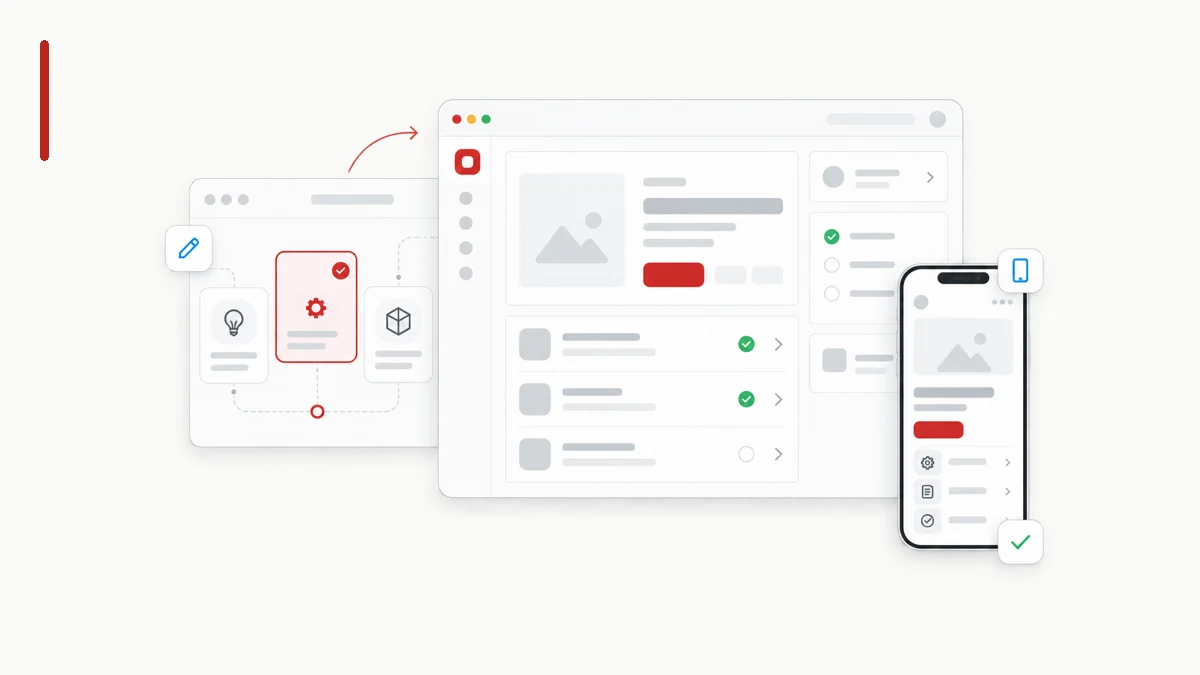
A team needs an intended outcome: simplifying a user journey, making an integration more reliable or delivering a useful feature. An agent becomes one way to contribute to that outcome. An automatically generated task list does not replace understanding the user’s need.
For each contribution, specify the problem, scope and success criteria. A limited, verifiable increment helps the team see what works and what still needs adjustment.
Assign tasks and responsibilities
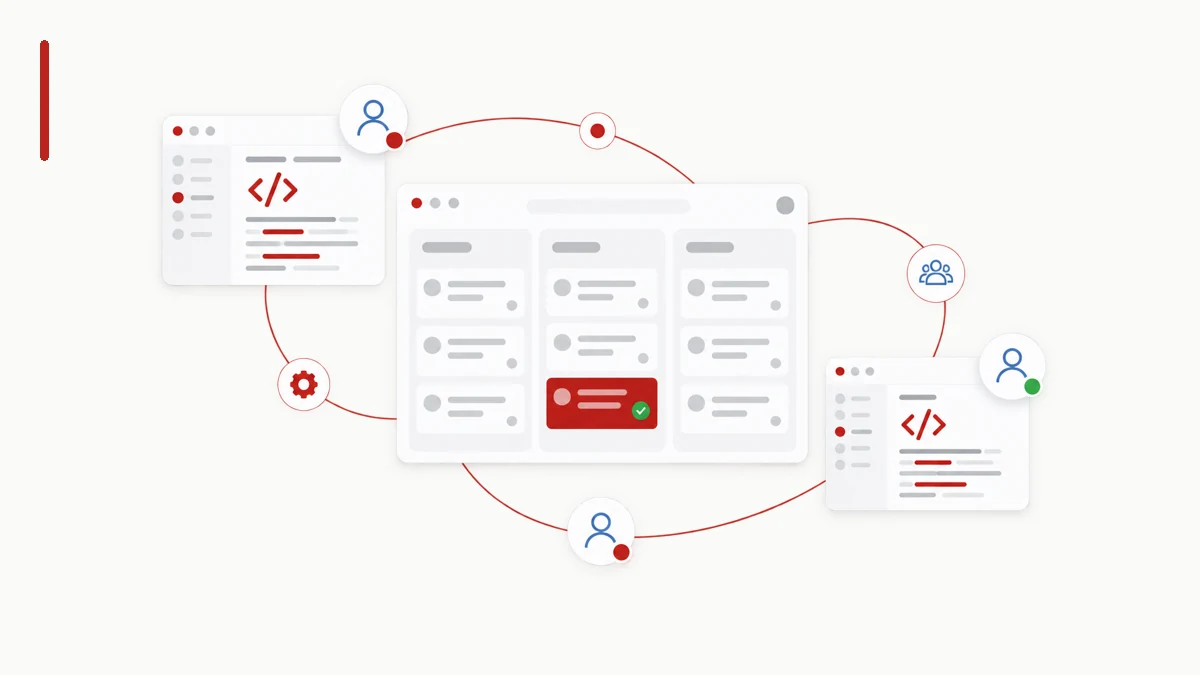
Some tasks are suitable for assistance: exploring a codebase, preparing a focused change, suggesting tests or drafting documentation. Architecture decisions, product trade-offs and release approval should remain assigned to identified people.
Make this division explicit. Who supplies context? Who can authorize access? Who reviews the change? Who decides to release it? Introducing an agent does not remove these questions.
Provide useful context within boundaries
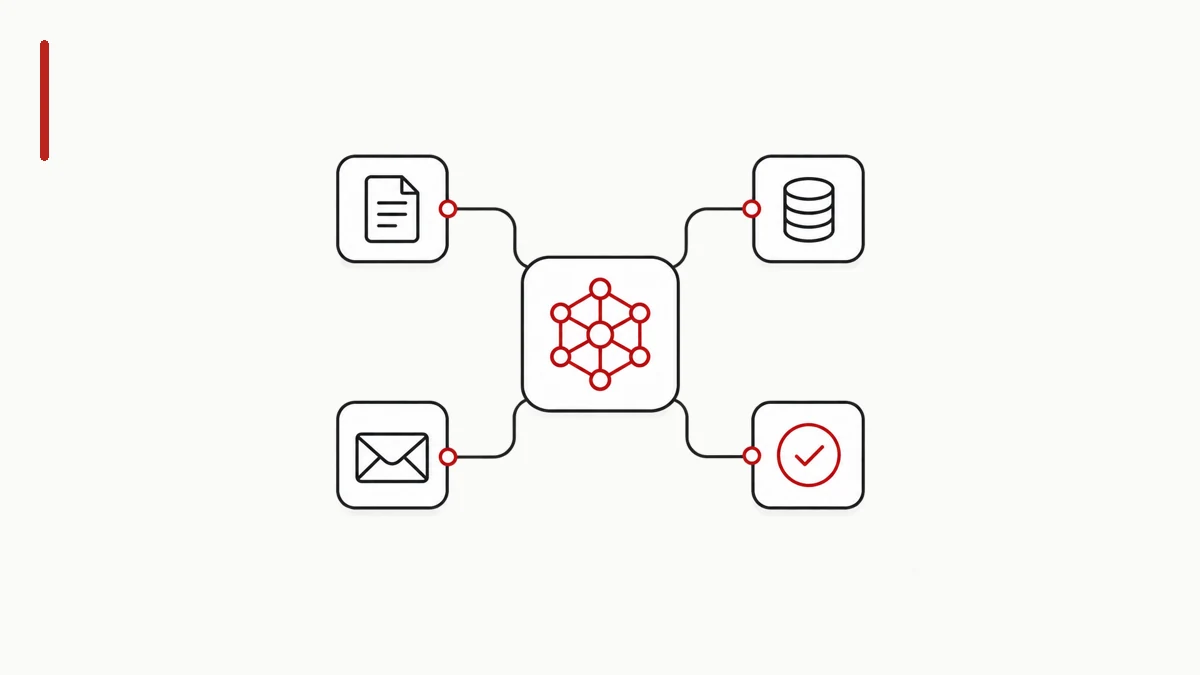
A tool is more useful when project rules, interfaces, acceptance criteria and examples are accessible. This does not mean it should receive all data or every permission.
Define authorized resources, possible actions and situations that require human involvement. A test environment and reversible changes make it easier to examine a result before it affects users.
Make verification part of everyday work
Tests and reviews should address the expected behavior. Generated code that compiles can still mishandle a business case, change an API contract or expose unnecessary data. Checks should therefore reflect the possible consequences of a change.
The same principle applies to user-facing agents: examine their answers, sources, actions and handling of exceptions. Some outputs need evaluation against representative examples and continued review over time.
Keep the feedback loop short
After release, observe actual usage, errors and friction. Feedback helps refine the product and the scope assigned to AI tools. Monitoring should go beyond counting completed tasks and ask whether the team is delivering something useful and maintainable.
An appropriate organization combines clear goals, explicit responsibilities and the ability to verify contributions. This framework enables the gradual integration of agents into the team’s work.